Field notes: the site that looked stalled until the crane showed up
There's a site off the frontage road in a submarket I track that sat at grade for the better part of two quarters. Slab poured, rebar mats visible in one corner, then nothing. No vertical. No crane on-site. The kind of flatline that makes an analyst want to write "stalled" in the notes column and move on to the next parcel.
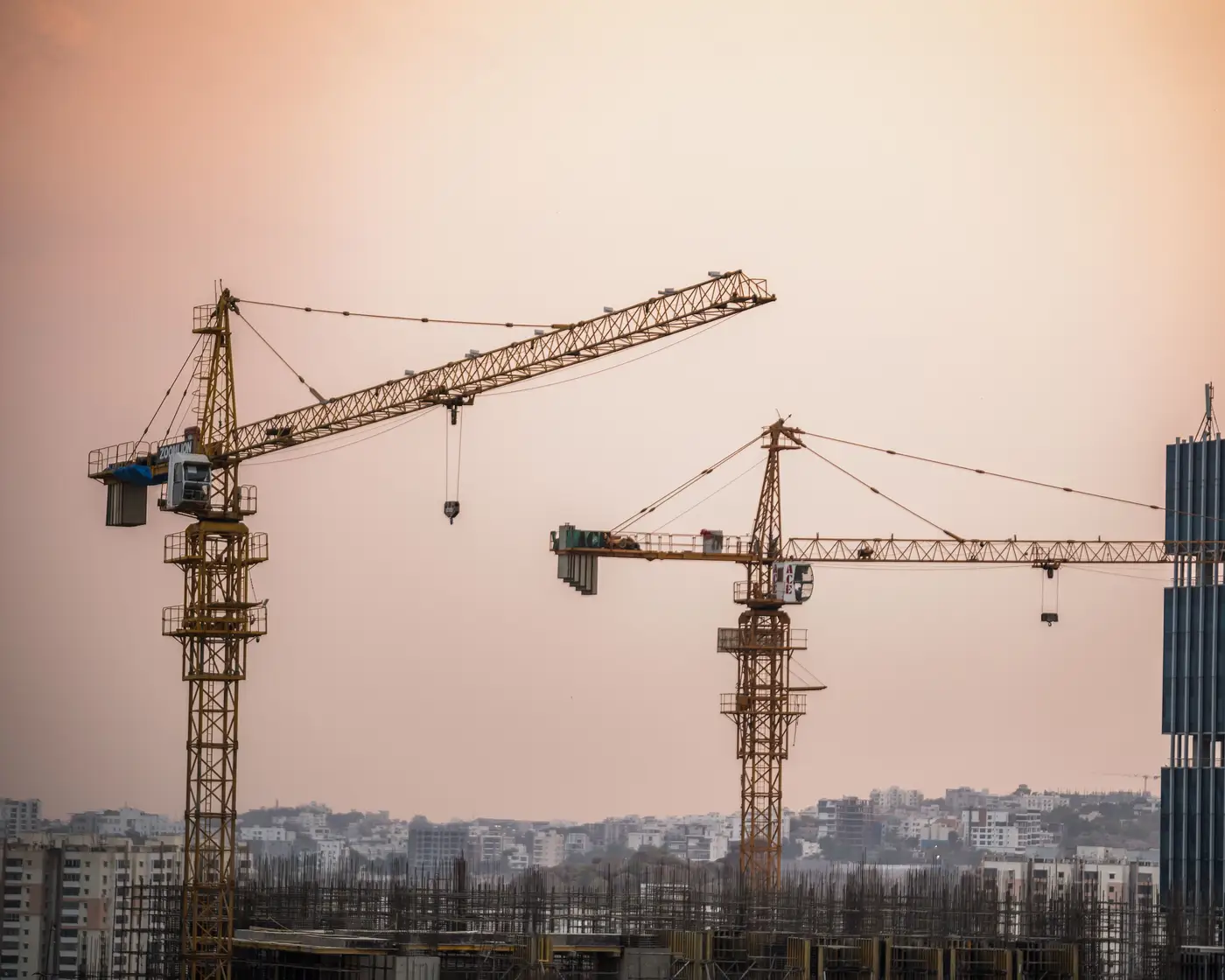
Then the crane showed up. Week three of the following quarter, a tower crane went up almost overnight, and six weeks later the structure had four floors on it. Whatever had been happening on that lot for five months, it wasn't death.
This is the thing about reading a submarket off imagery on a quarterly cycle: a single still frame can't tell you the difference between a project that's dead and a project that's waiting on a piece of equipment. Those look identical from above. A slab with nothing on it in June and a slab with nothing on it in September is the same picture twice, unless you know what to look for around the edges.
Tower cranes, in particular, are a bottleneck nobody puts in the pro forma. A GC books crane time against a schedule set months earlier, and that schedule gets bumped constantly, by another job running long across town, by a delivery delay on the crane itself, by a city permit for the street closure needed to erect it. I've seen a foundation sit finished for four months because the crane that was supposed to come off a job three miles away didn't come off on time. None of that shows up as a line item anywhere an outside observer can see. It just shows up as a quiet lot.
What's around the site each quarter matters as much as what's on it for anyone building a status table off satellite passes. A dead project drops its fencing, or the fencing stays up but nothing moves behind it for two straight reads: no new material staged, no vehicle count, the laydown yard starting to green over. A paused-for-equipment project looks different if you know to check: fencing intact, porta-potties still serviced and in the same spot, a security trailer with lights on in a night pass, maybe a small stack of rebar or formwork delivered and sitting untouched, waiting for the crane to make it worth placing. Read two or three quarters together and the pattern tells you which story you're in.
That's the actual argument for treating a quarterly read as a trend line and not a verdict. One flat quarter after a slab pour is normal, almost expected, given how crane and steel lead times run right now. Two flat quarters starts to be interesting. Three is a different conversation, and even then "stalled" and "paused on financing" and "paused on equipment" are three different stories that call for three different notes in your file, not one shrug.
I bring this up because it's an easy mistake to make when you're triaging twenty sites a quarter and looking for the ones that moved. The flat ones get deprioritized by habit. But the flat ones are exactly where the false alarms live, and a false "this one's dead" note that makes it into a leasing memo or a competitive set update is worse than no note at all. The fix is a consistent read: same cadence, same criteria, held against the prior quarter, so the pattern tells you something instead of leaving you to guess off a single frame. That's the whole premise behind the quarterly stage tracking we run at Construction Pipeline: a record you can compare quarter to quarter so a crane delay doesn't get misread as a dead deal.
If you've got a site in your set that's been sitting flat for a quarter or two and you're not sure which story it is, that's a good one to put on the list.