Field notes: the week three competitors broke ground on the same block
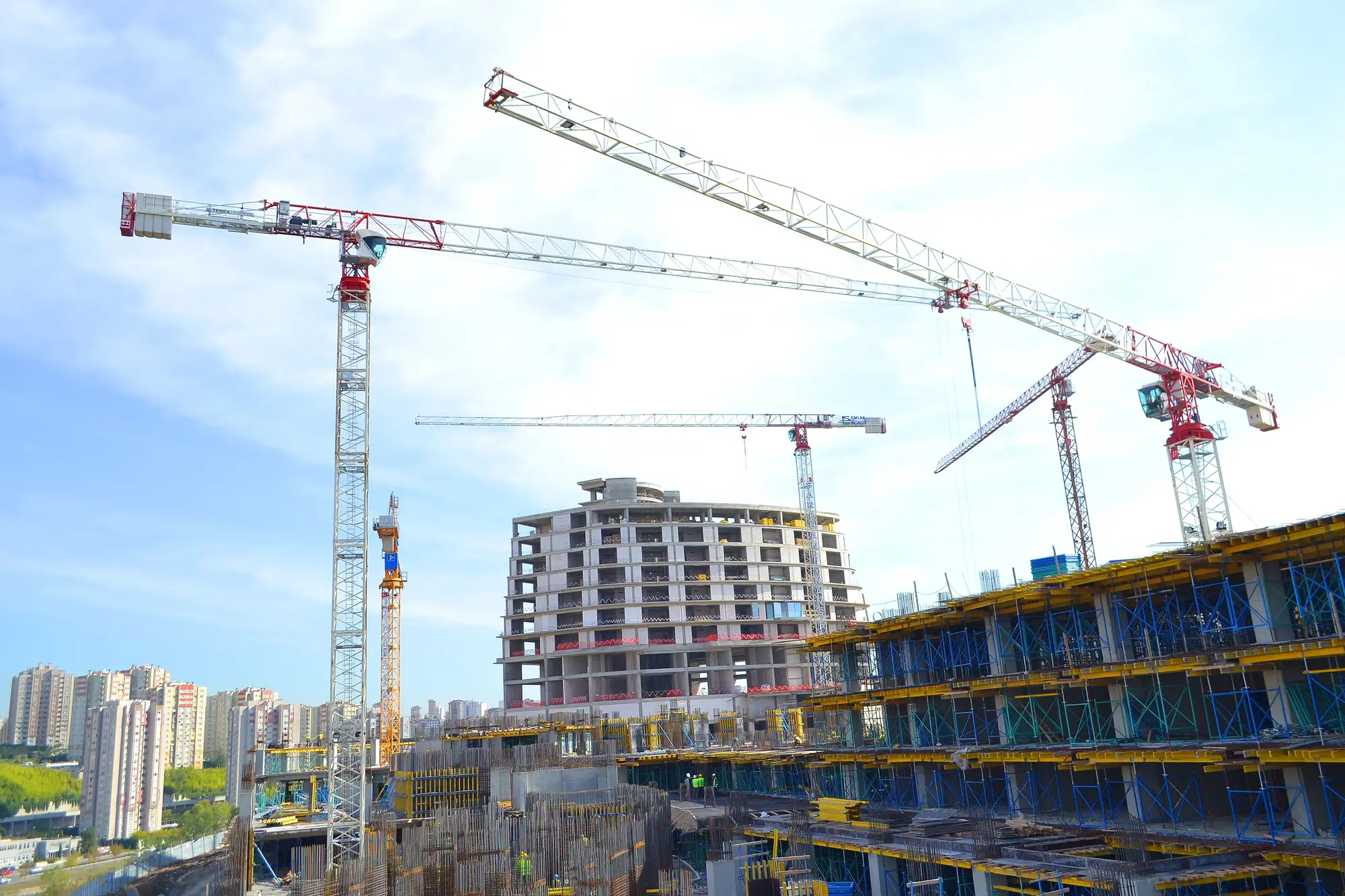
There's a particular kind of coincidence that shows up in almost every submarket eventually: three sites, same block or close enough to walk between them on a lunch break, and within a matter of weeks all three pull their first permits and the excavators show up. It happened in a submarket I was tracking last cycle, and it's worth sitting with, because the instinct is to treat it as noise and it usually isn't.
The first reaction is always the same. Someone on the team says "that's a lot of supply hitting at once," pulls up the permit records, and starts building a delivery calendar. Fair enough. But ground-break timing clustering this tightly is rarely a coincidence of three developers independently deciding the market is ready. More often it's a signal about financing windows. Construction loans got approved around the same rate environment, entitlements cleared around the same planning cycle, or all three sat on dirt for eighteen months waiting for the same cost inputs to settle before anyone wanted to be first to commit capital.
The spacing between ground-break dates matters less than what happens to that spacing over the following year. In theory, three projects that break ground in the same month deliver in the same month, give or take. In practice they almost never do.
One crew hits a foundation issue nobody saw coming. A sponsor runs into a financing gap mid-construction, and that site sits at the same stage for two quarters longer than it should. The third just has a better GC and tops out six weeks ahead of schedule. The gap between "broke ground together" and "delivers together" is where the absorption story gets written, and it's the part that's almost impossible to track from a permit filing or a press release. Nobody issues a press release for "we're three weeks behind."
This is the part that used to mean someone on staff driving the loop every six to eight weeks, parking across the street, and eyeballing whether a building looked like it was still at structural steel or had moved into curtain wall. It worked, more or less, if you had the headcount and the gas budget. It also meant your read was only as fresh as your last drive-by, which for a three-site comp set spread across a metro usually meant one site got checked more often than the other two just because it was closer to the office.
The site that falls behind, once three are moving at once, is usually the one that tells you the most. A delayed delivery shifts the absorption curve for everyone else in the comp set, including your own asset if you've got something in the pipeline nearby. Knowing which of the three is actually at podium stage versus which one is still doing site prep, on a quarterly cadence you don't have to generate yourself, is the difference between a leasing forecast that holds up and one that gets revised every time someone happens to drive past.
If you're sitting on a block like this right now, with three cranes up and no good way to tell which one is moving, a quarterly status read across the whole set is a cleaner way to watch the gap open up than waiting for the next site visit to confirm what you already suspected.
Track the slow site, not the ones ahead of schedule. It's the one that resets your forecast.
Set up a quarterly read on your own block before the next cluster breaks ground.