How to tell an entitled site from a permitted site in satellite imagery
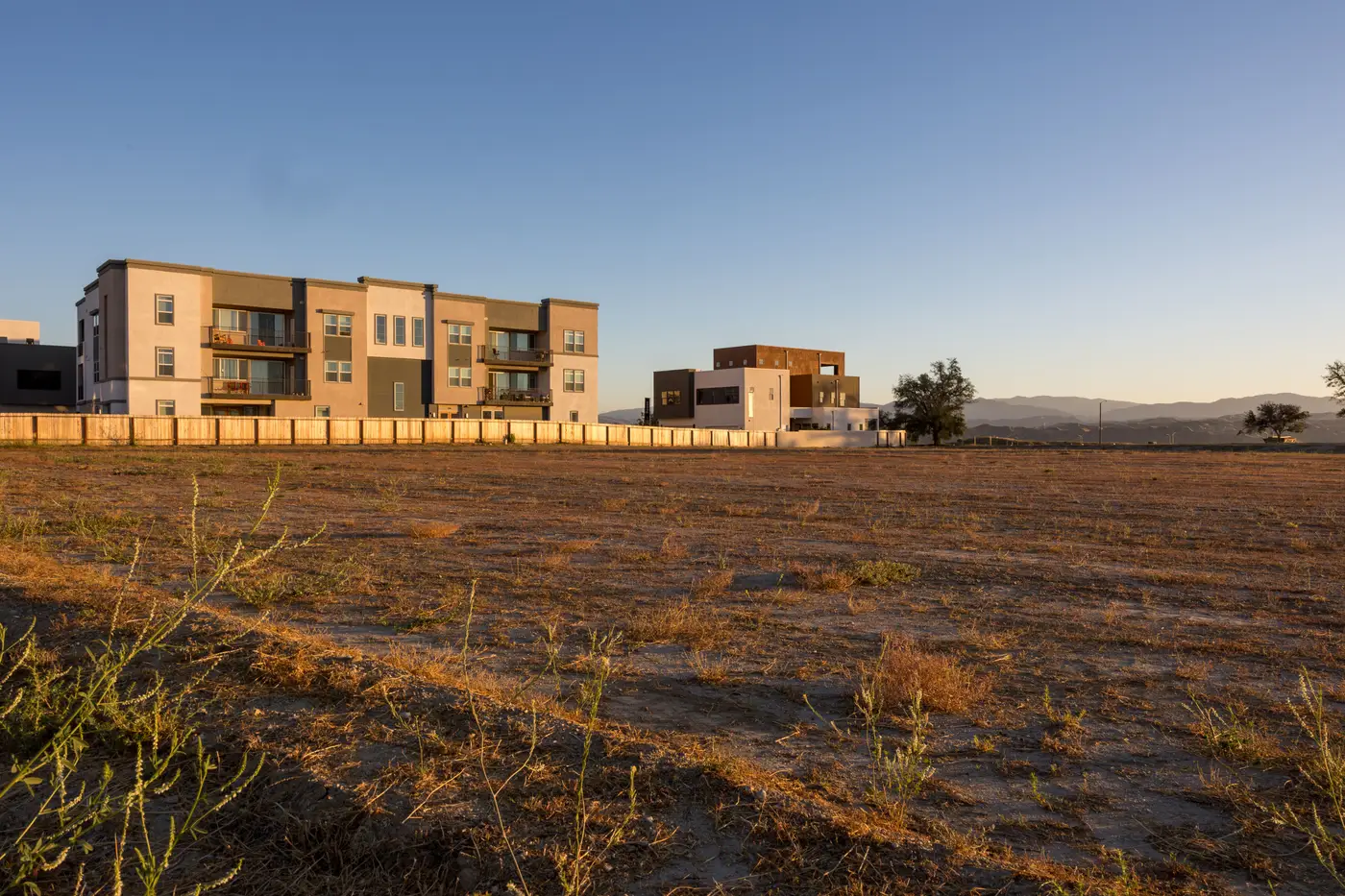
A parcel can sit "entitled" for two years and show nothing but weeds. Another parcel pulls its permit on a Tuesday and has silt fence up by Friday. Both show up the same way in a planning department's public database: approved, active, on the books. The difference between them is the whole ballgame for a submarket supply count, and you can't see it in the zoning file. You see it on the ground, or from above it.
Entitlement stage vs permit stage: what the paperwork means
Entitlement means the land use is approved. A rezoning, a PUD amendment, a conditional use permit, a site plan that cleared planning commission. It means the owner can legally build what they're proposing, eventually. It says nothing about when. Plenty of entitled parcels sit for a cycle or two while the developer lines up a construction loan, finds an anchor tenant, or just waits for cap rates to move in their favor.
A building permit is a different animal. It's the city saying the construction documents are approved and the GC can mobilize. It's much closer to dirt moving, but "closer" isn't "now." Permits get pulled and then sit for a quarter while the contractor lines up subs or waits on a steel order. So even permit-issued isn't the same as permit-active.
That gap between legal-to-build and already-building is where imagery earns its keep, because the records can't tell you which entitled or permitted parcels have started moving and which haven't.
What each stage looks like from above
An entitled, unpermitted site usually looks exactly like it did before entitlement. Raw land, a surface lot, an old strip center that hasn't been touched. No fencing, no graded pad, no staging area. If you're watching a parcel at this stage, the imagery read is simple: nothing changed. That's useful information too. It tells you the entitlement is sitting, which matters if your model has it counted as near-term supply.
Some owners start limited site work ahead of or right at permit issuance, mostly to de-risk the project or satisfy a lender condition. On imagery that shows up as a small grading footprint or a utility trench, well short of a cleared pad.
A permitted site that's mobilizing shows a specific sequence, and the sequence matters more than any single frame. Chain-link or wood fencing goes up around the perimeter first. Then the lot gets cleared and rough-graded, vegetation gone, soil exposed. A construction trailer or office appears, usually in a corner near the site entrance. Material laydown starts, pipe, rebar, maybe a crane pad getting poured.
Excavation for foundations follows. None of that happens on an entitled-but-dormant parcel. All of it happens within a quarter or two of real permit-driven mobilization.
Reading the transition, not the snapshot
Compare this quarter's frame to last quarter's and you get the real answer: did the pad get fenced and graded, or didn't it. A parcel that looked like a weedy lot last quarter and shows a graded, fenced pad this quarter just told you something the public permit database can't: construction has actually started. A parcel that has held a building permit for three quarters with zero physical change is telling you something too, usually that something off the record, financing, a tenant backing out, a partner dispute, is holding it up.
For a submarket pipeline count, that transition is the whole data point. Counting every entitled and permitted parcel as equally "in the pipeline" overstates near-term supply by a lot, since most of that land won't see dirt move for a year or more. Counting only parcels where the quarter-over-quarter imagery shows active grading, fencing, or vertical framing gets you much closer to what's landing on the market in the next 12 to 18 months.
If you're doing this parcel by parcel across a submarket every quarter, that's a lot of image pulls and a lot of side-by-sides to keep straight. Construction Pipeline builds that quarterly before-and-after read into a status table per site, so the stage call is already made before you open the file.
Worth a look if your submarket tracker is still built on planning department exports and a drive-by every few months.