Proposed vs. planned vs. under construction: classifying a supply pipeline stage
Every pipeline report, zoning agenda, and local news clip uses "proposed," "planned," and "under construction" a little differently. For a REIT tracking a submarket, that inconsistency is a problem, because the stage a project is in determines whether it belongs in next year's supply math at all. A proposed apartment complex and a topped-out one are not the same competitive threat, even if a developer's own investor deck describes both as "coming soon."
Here's how the three stages break down when you're building a supply read instead of reading a press release.
The three stages, defined by what's happened on the ground
Proposed means a project has been filed with the planning or zoning authority and nothing else. No permit has been pulled. No capital has broken ground. Financing hasn't closed, and the entitlement vote hasn't happened, some filings sit in review for two years before that vote comes. On the ground, the lot looks the same as it did before the filing: a for-sale sign, or nothing at all.
Planned means the entitlements are approved and the project is working through permitting, financing close, or pre-construction logistics. You might see a fence go up, some grading, a soil borings rig. There's no vertical structure yet. This is the stage where projects stall the longest. A planned deal can sit for six quarters waiting on a construction loan.
Under construction means there's a foundation in the ground and, usually, framing visible above it. Equipment on site. Material deliveries. This is the stage where a competing project starts to affect your leasing comps, because a real delivery date is now in range.
Why three sources will call the same project three different things
A city planning portal marks a project "approved" the day council votes, which is a planned-stage event dressed up as progress. A developer's investor update calls the same project "under construction" the day a construction fence and a rendering sign go up on the lot, months before a single yard of concrete gets poured. Local news covers the groundbreaking ceremony, complete with shovels and hard hats, and that photo can run a full two quarters before any equipment shows up for real.
None of these sources are lying exactly. They're each describing the stage from their own incentive: the city wants to show momentum, the developer wants to show investors progress, the news wants a photo. For a supply read, the only classification that matters is what's physically happened on the parcel, a construction-stage fact that runs on its own calendar. Treat announcement timing as a stand-in for construction progress and your supply numbers will drift off quarter by quarter.
Reading the site to confirm the stage
If you're trying to confirm a stage without driving the site yourself, these are the physical tells that separate the three:
- Still proposed: lot unchanged, no fence, no grading, no equipment.
- Planned: fence up, grading or clearing visible, maybe a crane staged but not erected, no foundation.
- Under construction, early: footings or foundation forms poured, excavation complete.
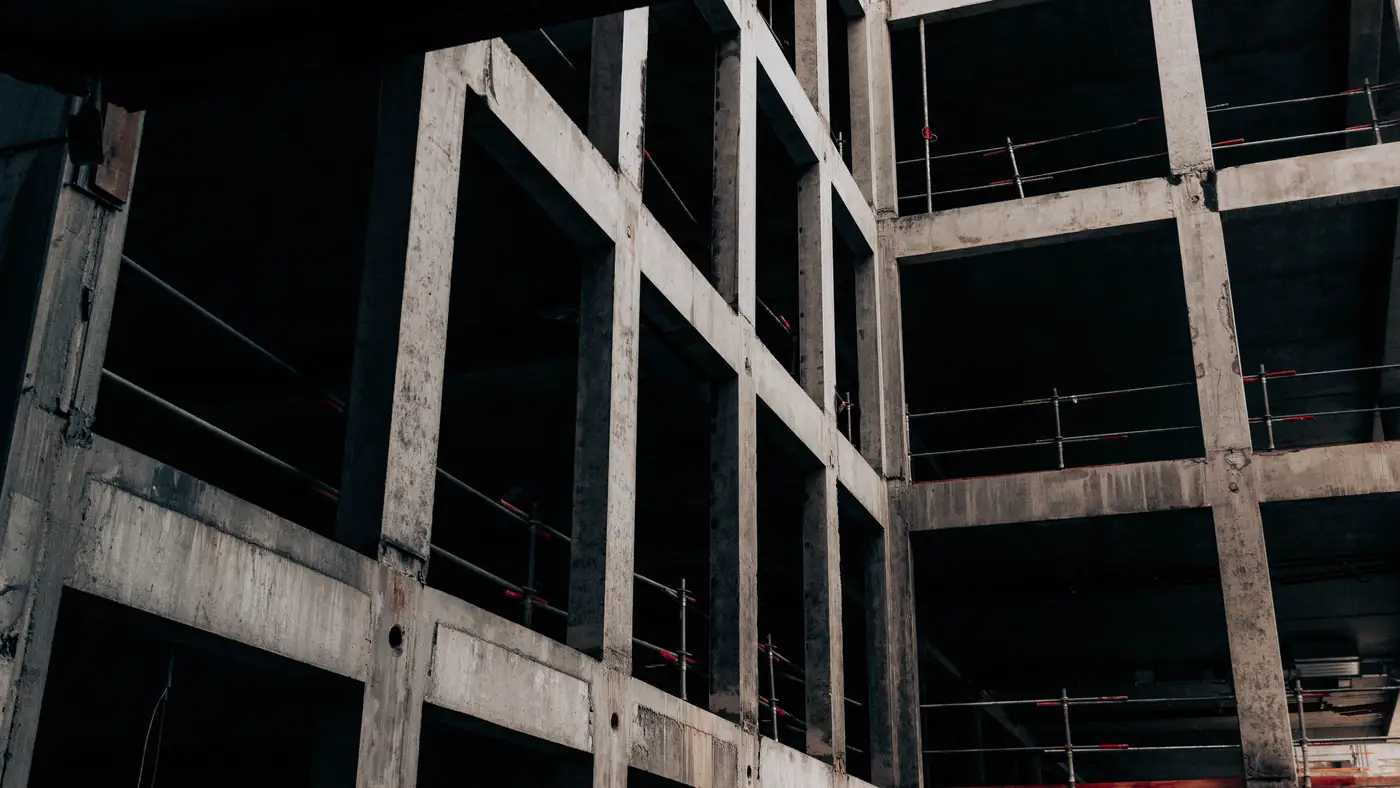
- Under construction, mid: vertical framing visible, floor lines stacking.
- Topping out: structure at full height, exterior work starting.
A project can also move backward. Permits get pulled for cause. Financing falls through after grading has started. A site that was under construction last quarter can sit idle this quarter with a stalled crane and an empty parking lot, and the project still counts on paper as active in whatever tracker first flagged it.
What this means for your supply numbers
Treat a proposed project as near-term competitive supply and you'll overstate delivery risk for units that may never get built. Treat a stalled under-construction site as still active and you'll miss a real slip in your competitors' delivery timeline, which usually means a slip in your own rent growth assumptions for that submarket too. Both errors come from the same root cause: classifying a project by what someone announced instead of what's actually standing on the parcel.
That's the gap a quarterly, site-level construction-stage read is built to close, which is the core of what Construction Pipeline tracks for every competing project in a submarket.
If re-checking every permit filing and planning agenda by hand isn't how you want to spend a quarter, that's worth a look.