What counts as a construction start in a REIT supply pipeline
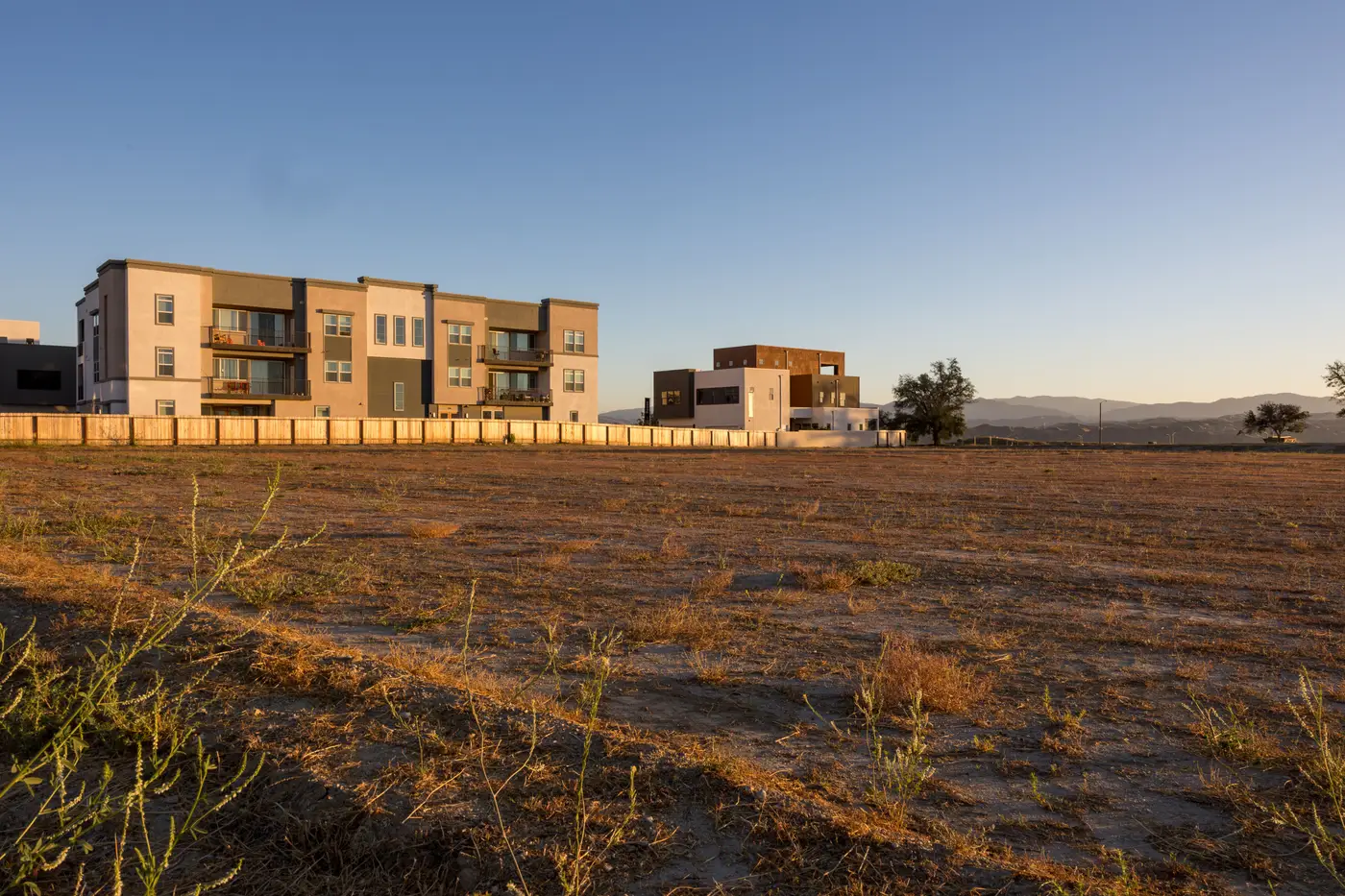
When a developer pulls a permit, that's not a construction start. When they fence the lot, that's not one either, necessarily. Ask five analysts what "broken ground" means for tracking competing supply and you'll get five different cutoff lines, which is a problem when you're sizing a submarket's pipeline against your own leasing assumptions.
The permit-to-pour gap
Permits get pulled months, sometimes a year, before a shovel moves dirt. A developer holding a permit on a site that's still a gravel lot hasn't added supply risk yet. Counting permit issuance as a start inflates your pipeline and makes the submarket look more crowded than it is. A mobilized site can also sit with fencing and a trailer for a full quarter with no vertical progress. That's a project that's real but stalled, and it tells you nothing about whether units are coming online on schedule.
What counts as the start is physical activity on the parcel: graders running, material staged, foundation forms going in.
A press release announcing a groundbreaking ceremony doesn't settle this either. The ceremony can happen before meaningful sitework, after it, or occasionally close to it. Treating the photo op as the start date means your pipeline date comes from a PR calendar instead of the parcel.
Why the definition matters for your pipeline model
Get it wrong and two things break. Your supply-demand read for the submarket is off by however many units sit in permitted-but-not-started limbo, which can be a meaningful share of the total pipeline in a slow-permitting market. And your delivery timing slips: a project logged as "started" in Q1 off a permit filing might not break ground until Q3, which pushes projected lease-up competition out two quarters from where your model says it lands.
This matters more the more sites you're tracking across a submarket. A single misdated project is noise. A whole cohort of them, all logged on permit date instead of ground-break, biases your absorption math toward whichever developers filed paperwork earliest. That can bury the developers pouring concrete right now under ones still waiting on inspections.
A workable set of stages, not a yes/no flag
Treating "started" as a single flag loses information you need. A more useful read splits the pipeline into stages: cleared site, foundation, structural framing, envelope, and topping out. Tracking a site through those stages quarter over quarter shows how fast it's moving, which matters when you're weighing a submarket's absorption capacity against a wave of deliveries that might land all at once or stagger out over three years.
If you're building this by hand, driving sites or cross-referencing permit databases, a reasonable line to draw: don't count a project as started until there's visible grading or foundation work on the parcel, and don't count it as stalled until two consecutive checks show no change. Keep that line consistent across every competitor in the submarket. The exact cutoff matters less than applying the same one to all of them every quarter, so your count isn't quietly skewed toward whichever developers are loudest about their timelines.
That's the gap a quarterly, imagery-based stage read on every competing site in the submarket is built to close: status pulled from what's physically on the parcel, not from permit filings or a developer's investor deck.
If you're tired of reconciling permit dates against what's actually on the ground, that's worth a look.