What is a submarket in multifamily real estate research?
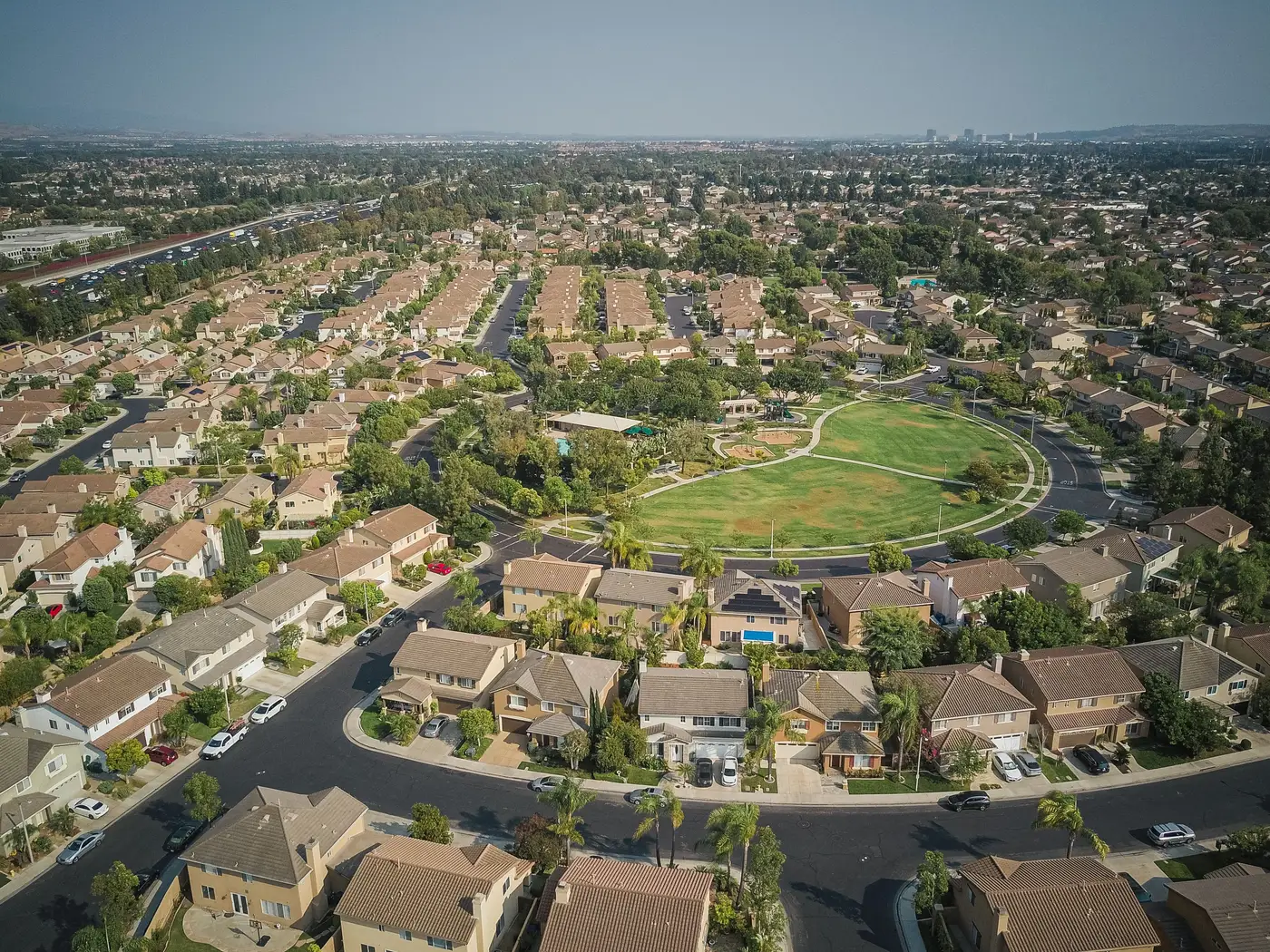
Two analysts can spend twenty minutes arguing over whether a property sits in "Midtown" or "the Arts District." A submarket is the defined geography that settles that argument: the boundary your data provider, your appraiser, and your acquisitions team all have to use the same way, or your comps don't mean anything.
For a REIT analyst, a submarket is the unit everything else gets measured against: rent growth, absorption, concessions, and new supply. Get the boundary wrong and you're comparing a 2023-vintage lease-up three miles from the urban core to a renovated 1980s asset downtown, and calling it a submarket trend when it's really two different stories stapled together.
What counts as a submarket
Most data providers (CoStar, RealPage, Yardi Matrix) carve metros into submarkets using a mix of physical boundaries, like highways, rivers, and rail lines, and economic logic, like employment centers, school districts, and historical rent bands. The goal is a cluster of properties that compete for the same renter, at roughly the same price point, within a commute that renter would reasonably consider.
That's the theory. In practice, submarket boundaries are drawn by analysts at these firms, who update them every few years as a metro grows. A submarket that made sense in 2015, before a new transit line or a 400-unit lease-up changed the calculus, might get split in two by 2024. Boundaries shift. Your underwriting model usually doesn't notice until the next data refresh.
This matters more in multifamily than in office or industrial because renters are price-sensitive and mobile. A $200/month rent gap between two submarkets separated by a four-lane arterial can pull renters across the line in either direction within a single lease cycle. Office tenants sign five-year leases and don't reshuffle that fast. Apartment renters do.
Why submarket boundaries move
Submarket definitions aren't static, and they aren't universal. CoStar's submarket lines for a given metro won't match RealPage's exactly. Both will disagree with whatever grid the local planning department uses. If your REIT's competitive set spans two or three data sources, each one is drawing its boundary lines differently, and your comps won't line up until you reconcile them.
The practical fix most shops land on: pick one submarket taxonomy as your internal standard, document it, and track every competing project against that fixed frame each quarter, even after a provider updates its own boundaries.
You can source the boundary itself from any of the three firms above. What's actually under construction inside it is a separate problem: permit filings lag reality by months, site visits don't scale past a handful of properties a week, and the leasing office won't tell you when their framing crew fell behind schedule.
That's the gap Construction Pipeline is built for. Instead of driving the submarket yourself or waiting on a permit database to catch up, you get a quarterly read on which competing projects have broken ground, which are framed out, and which are topping out, built from high-resolution satellite imagery of the sites themselves. You define the submarket boundary. We tell you what's physically rising inside it.
A working definition for your next deck
A submarket is a geographically bounded cluster of properties that compete for the same renter pool, defined by a combination of physical barriers and economic similarity, and tracked consistently over time so period-over-period comparisons mean something. The boundary itself is somebody's judgment call, updated periodically, and worth stating explicitly in your methodology section so nobody on the investment committee assumes "submarket" means the same thing it meant in last year's deck.
Once that boundary is locked, the next question is what's rising inside it: which sites have broken ground, which are framed, and which are closing in on delivery, quarter by quarter. Construction Pipeline tracks that part once you tell us where your submarket line sits.