What is shadow supply in commercial real estate?
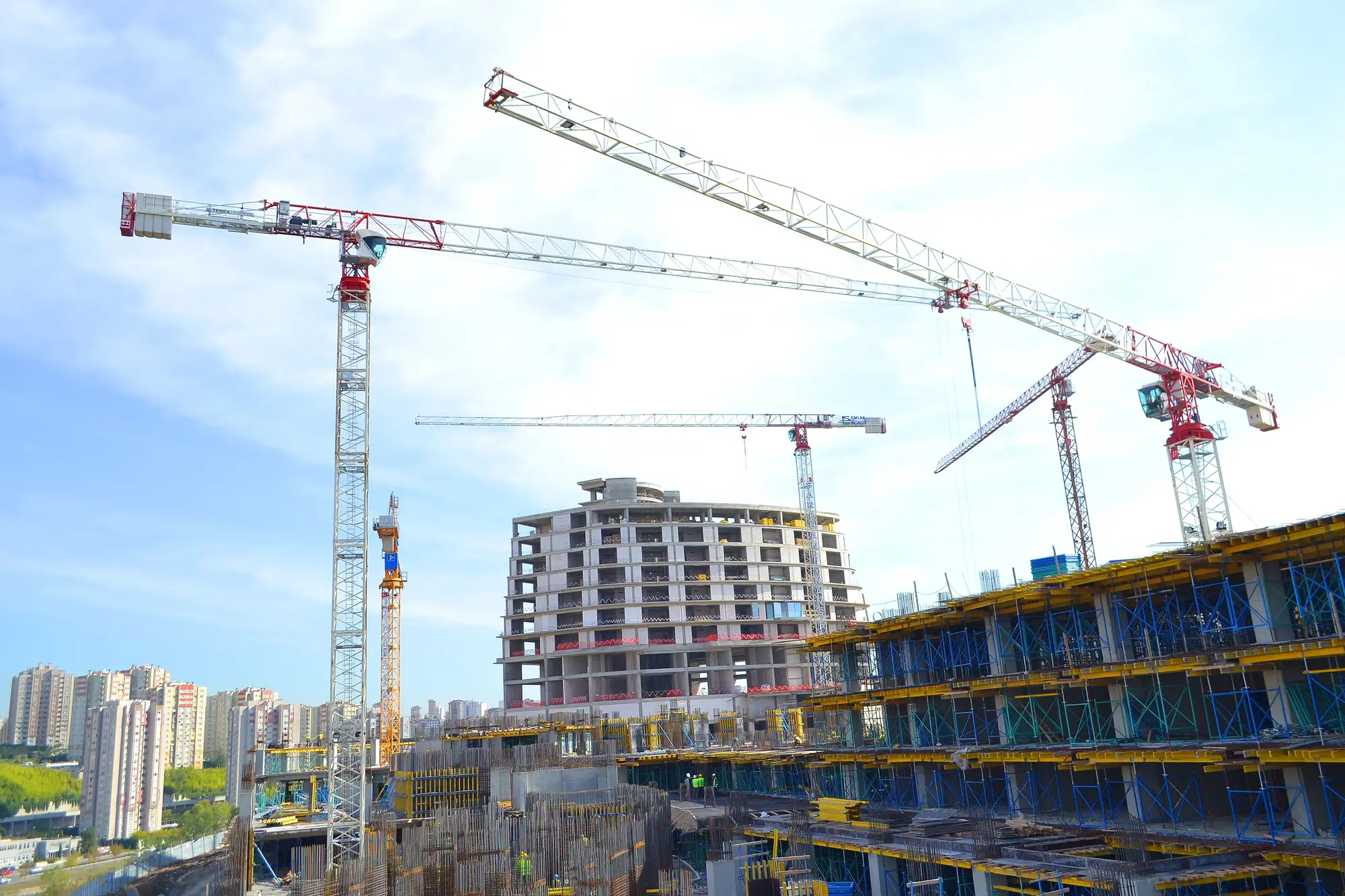
If you track a submarket long enough, you learn that the delivery schedule in your data provider is a lagging indicator, not a forecast. Shadow supply is the industry's name for everything that's coming online that hasn't made it into that schedule yet: sites where dirt is moving, slabs are poured, or steel is going up, but the project hasn't been coded as "under construction" in CoStar, CBRE's tracker, or whatever feed your firm pays for.
The gap comes down to reporting, not secrecy. A developer doesn't owe anyone a press release when they pull a grading permit, and most data providers rely on developers, brokers, or public filings to self-report a project before it gets added to the pipeline. Until someone enters it, the project stays invisible to anyone reading a quarterly supply report, even though it's sitting there in satellite imagery, fenced off and full of equipment.
Where the gap comes from
A few patterns show up again and again in submarkets with active shadow pipelines:
Permits get pulled months before a deal shows up in a leasing database. A building department record exists the day a permit is issued, but the project might not surface in a commercial tracker until leasing activity starts or a broker lists it.
Smaller projects fall below the radar. A lot of trackers skew toward deals over a certain square footage or deals with institutional sponsors. A 60,000 square foot spec building from a local developer can sit outside that net for a while, even in a submarket where every unit matters to your absorption math.
Land assemblage and site prep happen quietly. Clearing, grading, and utility work can run for two or three quarters before a crane shows up, and that stretch is exactly when a project is least likely to be flagged anywhere.
Secondary and tertiary markets get less analyst attention from the big data shops. Coverage is uneven. A submarket that doesn't generate much deal volume doesn't get the same staffing on the research side, so updates lag further behind what's physically happening on the ground.
Put those together and you get a real gap between what your supply report says and what's actually going to hit the market in the next 12 to 18 months. For a REIT analyst sizing up a competing submarket, that gap is where bad forecasts come from. You underwrite a deal, size your rent growth assumptions, and build your absorption model off a pipeline count that's missing three or four buildings nobody told you about.
How analysts have been closing it
The traditional fix is the windshield survey. Someone on the research team, or a local broker on retainer, drives the submarket on a schedule, notes which lots have fencing up, which have a tower crane, which slab looks poured, and feeds that back into the model by hand. It works, and it's the only way most shops have had to see shadow supply directly. It's also slow, inconsistent between whoever's doing the driving, and hard to do on a quarterly cadence across more than one or two submarkets at a time.
That's the specific gap Construction Pipeline is built around: a quarterly read on construction stage for every competing site in a submarket, pulled from high-resolution satellite imagery instead of a drive-by. You're not waiting on a developer to self-report or a broker to notice a crane. The imagery shows ground-break, framing, and topping out as they happen, delivered as a status table you can drop straight into your own pipeline model instead of a PDF someone has to transcribe.
Shadow supply doesn't disappear once you know the term for it. Every submarket has projects moving through entitlement and early construction that won't show up in a standard feed for another quarter or two, and the only thing that changes is how you find out: from a tower crane your team happened to drive past, or from a system that's already looking at every site on a fixed schedule.
If you're tired of your supply numbers lagging what's already under construction, it's worth seeing what a quarterly satellite read of your submarket looks like.